Home Window Tinting: Benefits, Types & Tips
Explore home window tinting: benefits, types, and tips for choosing and installing.
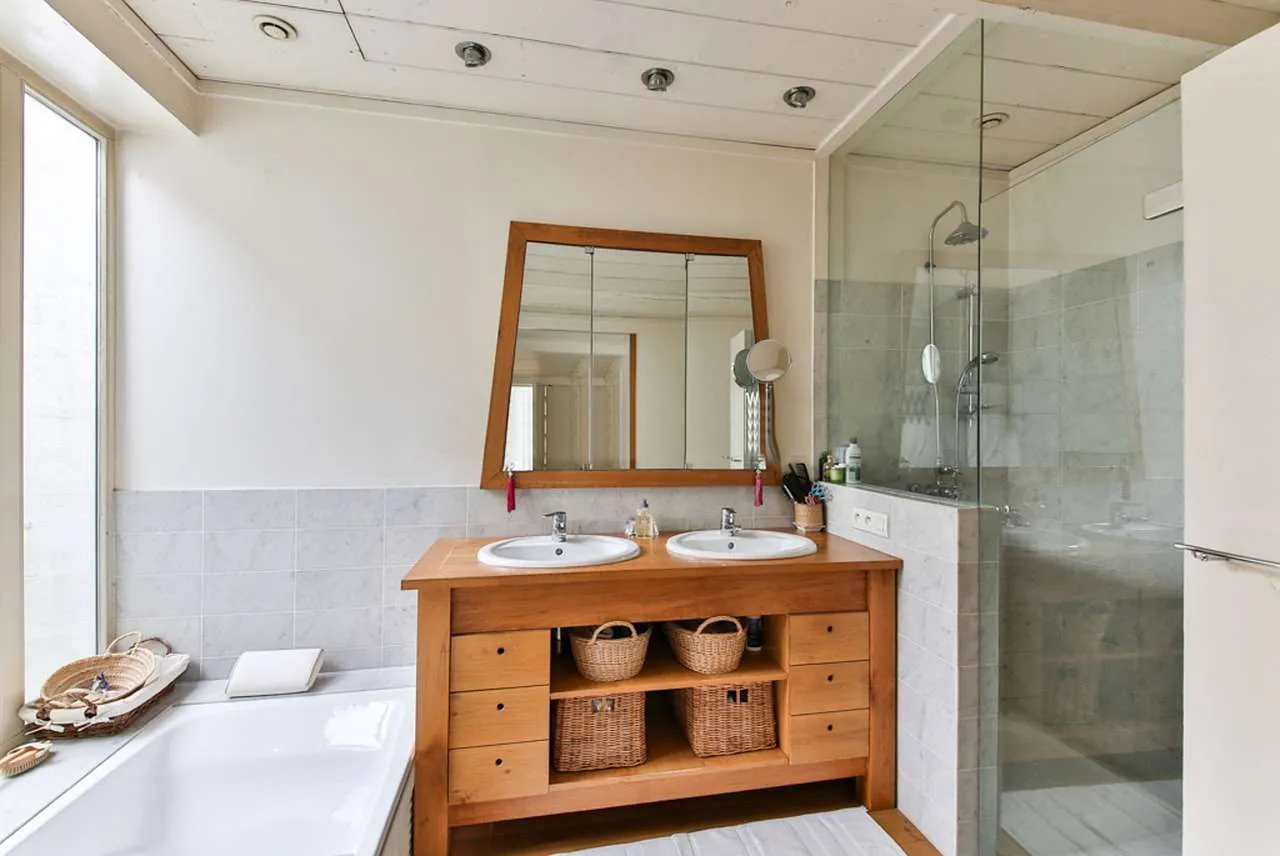
What is Home Window Tinting
Home window tinting involves applying a thin film to glass surfaces to reduce glare, block UV rays, and improve overall comfort. The tint film is designed to be durable, resisting fading and heat transfer while maintaining a clear view from inside the home. Modern tint options are engineered to meet safety standards and legal limits, making it a practical upgrade for many households.
Benefits of Home Window Tinting
UV Protection
One of the primary advantages of home window tinting is UV rejection. High quality films can block up to 99 percent of ultraviolet light, protecting carpets, furniture, and artwork from sun damage and fading. This helps extend the life of interior finishes and supports a more consistent interior color palette over time.
Energy Efficiency and Comfort
Tint films reduce heat gain in the warmer months and can also help retain warmth in winter by minimizing heat exchange through glass. By moderating interior temperatures, tinting can decrease the workload on cooling systems, potentially lowering energy bills and reducing peak load on the HVAC unit.
Privacy and Safety
Medium to dark tints provide daytime privacy without sacrificing exterior visibility. In addition, some films add a layer of shatter resistance, helping to hold broken glass together in the event of impact or an accidental breakage. This can improve home security and occupant protection.
Glare Reduction and View Quality
Glare from direct sun can be uncomfortable and degrade television and computer screen viewing. Tinting helps reduce glare, creating a more pleasant living space and protecting eye health during long periods of daylight usage.
Types of Window Tint for Homes
Dyed Tint
Dyed films are affordable and primarily provide privacy and color enhancement. They absorb solar energy, reducing heat slightly, but their performance can fade over time and they may not offer the best heat rejection compared to other options.
Metalized and Metallized Films
Metalized films reflect a portion of heat and provide strong glare reduction. They can interfere with electronics such as cell phones and Wi Fi if applied improperly. For homes, evaluate the potential for interference and choose higher quality metalized options if needed.
Ceramic Tint
Ceramic films offer high heat rejection, excellent clarity, and superior UV protection without adding metallic layers. They are among the most durable and maintain better transmission of signals for devices while delivering strong performance in varied light conditions.
Carbon Tint
Carbon films provide good heat rejection, a matte appearance, and strong durability. They do not interfere with electronics and maintain a natural view while reducing solar gain.
Choosing the Right Tint: Factors to Consider
- Local laws and HOA rules regarding permissible tint levels for residential windows
- Orientation and climate of your home, which influence heat gain and cooling needs
- Glass type and existing window treatments, which affect tint performance
- Visible Light Transmission VLT range you prefer for natural brightness
- Durability, warranty, and installation quality
Start by assessing goals: privacy, sun protection, or energy savings. For rooms with intense sun exposure or where furniture fades quickly, higher heat rejection and UV blocking are beneficial. If electronics are a concern, ceramic or carbon films are typically best choices.
DIY versus Professional Installation
Do it yourself kits are available, but professional installation offers several advantages. Pros ensure accurate cutting, proper edge sealing, and a bubble-free finish that preserves visibility. They also help navigate local regulations and select appropriate films for your climate. If you opt for DIY, follow manufacturer instructions meticulously and prepare for precise cleaning, measurement, and squeegee work to avoid optical distortions.
Maintenance and Longevity
Most residential tint films require minimal maintenance. Clean with a soft cloth and a non abrasive, non ammonia cleaner to protect the film’s surface. Avoid rough scrubbing and avoid window magnets or metal objects near the film edges. Expect most high quality films to last 10 to 15 years with proper care, though Florida and desert climates may shorten lifespan due to intense sun exposure.
Comparison of Tint Types
| Tint Type | UV Rejection | Heat Rejection | VLT Range | Durability | Typical Cost |
|---|---|---|---|---|---|
| Dyed Tint | Moderate | Low to Moderate | 30 50 | Medium | Low |
| Metalized Tint | High | High | 20 40 | Medium | Medium |
| Ceramic Tint | Very High | Very High | 20 60 | High | High |
| Carbon Tint | High | High | 30 60 | High | Medium to High |
Conclusion and Next Steps
Investing in home window tinting can deliver meaningful improvements in comfort, savings, and protection for your interior finishes. By understanding the main tint options, evaluating your climate and home orientation, and choosing a reputable installer, you can select a film that aligns with your goals and budget while staying compliant with local regulations.
Summary: Home window tinting offers UV protection, glare reduction, energy efficiency, and enhanced privacy. Choose the right type based on climate, durability, and legal limits, then hire a professional for precise installation to maximize performance and value for your home.